Petrol (Motor Spirit)
Rs. 384.34 per litre
High-Speed Diesel
Rs. 415.83 per litre
The petrol price in Pakistan today is Rs. 384.34 per litre, effective September 16, 2026. That is an increase of Rs. 4.10 from the previous rate of Rs. 380.24.
High-speed diesel now stands at Rs. 415.83 per litre. Below are the full details, why rates moved, and what it means for your monthly fuel spend.
Today Petrol Price in Pakistan: Latest Fuel Rates
| Fuel | Previous | New Price | Change |
|---|---|---|---|
| Petrol (Motor Spirit) | Rs. 380.24 | Rs. 384.34 | +Rs. 4.10 |
| High-Speed Diesel (HSD) | Rs. 409.42 | Rs. 415.83 | +Rs. 6.41 |
Rates effective September 16, 2026. Last updated: September 16, 2026.
New Petrol Price in Pakistan Today
The revision moved petrol from Rs. 380.24 to Rs. 384.34 an increase of Rs. 4.10 per litre, effective September 16, 2026.
What that looks like in practice:
A 10-litre motorcycle fill costs about Rs. 41 more. A 40-litre car tank costs roughly Rs. 164 more. Someone using 100 litres a month pays around Rs. 410 extra.
Individually these are small numbers. The difficulty is that they arrive on top of previous increases rather than instead of them, and household fuel budgets have been absorbing that cumulative effect for a while now.
Diesel Price in Pakistan Today
The HSD price in Pakistan is Rs. 415.83 per litre, up Rs. 6.41 from Rs. 409.42 — a steeper rise than petrol's Rs. 4.10, and diesel remains above petrol as it has through recent revisions.
Diesel matters beyond the people who buy it. Trucks, buses, tractors and agricultural machinery all run on it, so a diesel increase works its way into freight costs, transport fares and eventually the price of goods. That is why the diesel rate affects households that do not own a diesel vehicle or any vehicle at all.
Why Did Petrol and Diesel Prices Increase?
Local fuel rates are not set arbitrarily. They are calculated against international benchmarks and revised on a regular cycle.
Platts rates the international pricing benchmark for refined petroleum products, published by S&P Global Commodity Insights are the starting point. When they rise, imported product costs more, and that feeds into the next local revision.
Petroleum premiums sit on top of the benchmark: the additional amount paid to secure supply. These can move independently of the underlying product price.
Beyond that, the exchange rate affects the rupee cost of dollar-denominated imports, and taxes and levies form a substantial share of the final pump price.
Petrol and high-speed diesel are priced against their own separate benchmarks, which is why the two rarely move by identical amounts in the same revision.
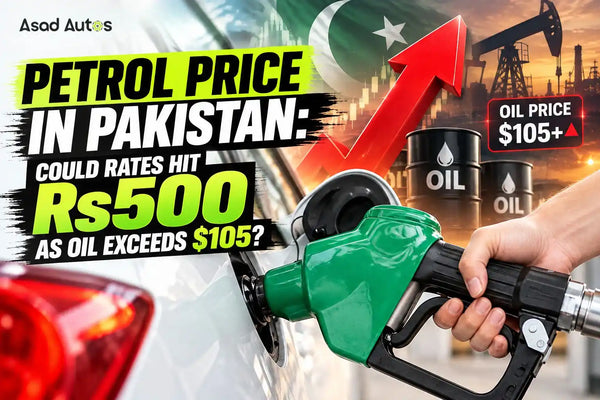
Global crude direction shapes all of it. Our coverage of rising petrol prices in Pakistan looks at how higher international crude could push local rates further still.
Who Sets Fuel Prices in Pakistan?
Pricing runs through a defined process rather than being left to individual fuel stations. The Oil and Gas Regulatory Authority (OGRA) works out applicable rates based on international prices and the prescribed formula, and revised prices take effect through official notification.
This is why people search for the OGRA petrol price in Pakistan today rather than checking individual pumps: the notified rate is what applies, and stations do not set their own prices for these products.
How frequently those notifications come has itself become a talking point. Our coverage of daily petrol price revisions covers concerns raised about how unpredictable fuel costs have become for households and businesses.
High Octane Petrol Price in Pakistan Today
High octane blending component (HOBC) is a higher-octane grade sold at a premium over regular petrol, aimed at vehicles whose engines are tuned for it.
Unlike petrol and HSD, high octane is not covered by the same notified pricing, so rates differ between oil marketing companies and between stations. Check the displayed rate at your preferred pump rather than assuming a single national figure. Most cars in Pakistan run perfectly well on regular petrol high octane only benefits engines that specifically require it.
How the Latest Petrol Price Affects Pakistani Drivers
Daily commuters feel it most predictably. A fixed route means fixed consumption, so the increase translates directly into a higher monthly outgoing with no way to adjust except by driving less.
Motorcycle riders face smaller absolute amounts but often a larger share of income, which is why fuel increases hit hardest at the lower end.
Long-distance drivers see the effect multiplied across every trip, and it becomes a real factor in deciding whether a journey is worth making by road.
Commercial transport operates on thin margins, so higher fuel costs get passed on to customers which is how fuel prices reach people who never buy fuel themselves.
For a wider view of how both fuels have moved over recent revisions, see our coverage of Pakistan fuel prices and the ongoing petrol price increase in Pakistan.
How to Save Fuel After the Latest Price Increase
You cannot control the rate, but consumption is more in your hands than most people assume. None of this is dramatic individually together it adds up.
Check Tyre Pressure
Under-inflated tyres increase rolling resistance, meaning the engine works harder for the same distance. This is the easiest and cheapest efficiency gain available, and it costs nothing to check. Do it monthly, when the tyres are cold.
Cut Unnecessary Idling
An idling engine returns zero kilometres per litre. Waiting outside a shop, sitting in a queue, running the engine for air conditioning while parked all of it burns fuel for no distance covered. If you will be stationary more than a minute or two, switching off is worth it.
Drive More Smoothly
Hard acceleration followed by hard braking wastes the fuel used to build the speed you then throw away. Anticipating traffic and easing off early makes a measurable difference, particularly in city driving where the cycle repeats constantly.
Keep Up With Maintenance
A clogged air filter, worn spark plugs or overdue engine oil all reduce efficiency. A car that is serviced on schedule uses less fuel than the same car neglected and the saving usually exceeds the cost of the service.
Remove Excess Weight
Extra weight means extra fuel. Most of us carry things in the boot for months without needing them. Clearing out what you do not use costs nothing and helps a little on every trip.
Plan Trips Together
A cold engine uses more fuel than a warm one, so several short separate trips cost more than the same errands combined into one. Grouping errands into a single run is one of the simpler ways to cut a monthly fuel bill.
Final Thoughts
The petrol price in Pakistan today is Rs. 384.34 per litre and high-speed diesel is Rs. 415.83, effective September 16, 2026, following a Rs. 4.10 increase on petrol. Rates are revised on a regular cycle against international benchmarks, so today's figure is not permanent this page is updated at each revision. The part you can influence is consumption: correct tyre pressure, less idling, smoother driving and on-time maintenance genuinely reduce what you spend, even if they cannot offset the rate itself.
15+ years in business · In-house fitting in Multan · Nationwide delivery · Exact-fit products, never universal
Browse All Car Accessories →Questions about what fits your car? Contact us — 0321-1117525 · Open Mon–Sun, 9am–9pm.