A proposal to reduce luxury cars tax in Pakistan has drawn sharp criticism from parts of the auto industry, who argue the relief would disproportionately benefit the most expensive vehicles while entry-level buyers continue carrying a heavier relative tax burden.
The proposal sits within the wider Pakistan Auto Policy 2026–31 discussions currently underway, and it's stirred up a genuine debate about who Pakistan's vehicle tax structure is actually designed to serve.
Here's what's been proposed, why critics are pushing back, and how the numbers compare across different vehicle categories.
What's Being Proposed for Luxury Cars Tax in Pakistan
The proposal reportedly centres on sales-tax relief for luxury vehicles — broadly, vehicles priced above Rs. 10 million. Specific mechanics of how the relief would be structured haven't been laid out in full public detail, but the direction is clear: a reduced tax burden on the highest-value end of the car market.
The Tax Gap Between Entry-Level and Luxury Cars
This is where the criticism gets specific. According to figures raised in industry criticism of the proposal, the tax burden looks strikingly uneven across price categories:
| Vehicle / Category | Approx. Vehicle Price | Reported Tax Burden |
|---|---|---|
| Suzuki Alto | Rs. 3 million | Around Rs. 550,000 |
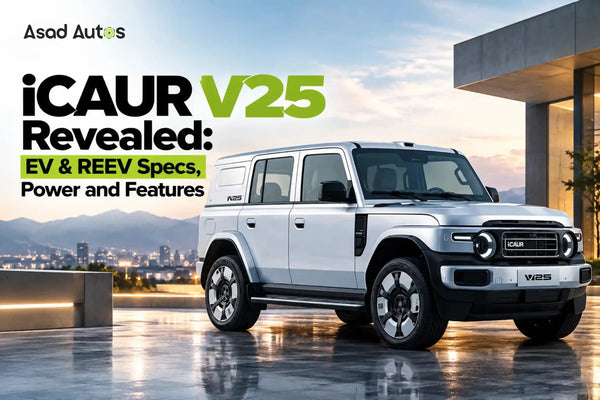
| REEV | Rs. 10 million | Around Rs. 100,000 sales tax |
| Luxury Vehicles | Above Rs. 10 million | Proposed sales-tax relief |
Figures as reported in industry criticism of the proposal, not an independently verified official tax schedule.
Why Critics Say the Alto Pays More, Proportionally, Than a REEV
On the figures cited above, a Rs. 3 million Alto reportedly carries a tax burden roughly five times higher in absolute terms than a Rs. 10 million REEV — despite the REEV costing more than three times as much. That's the core of the criticism: an entry-level car buyer appears to be paying a disproportionately larger share relative to their vehicle's value than someone buying a car more than three times the price. If accurate, that inverts what many would expect from a typical progressive tax structure, where higher-value purchases usually carry a proportionally larger, not smaller, burden.
The Case for Luxury Car Tax Relief
It's worth presenting the other side of this debate fairly. Arguments in favour of reducing luxury vehicle taxation typically centre on a few points: lower taxes on premium vehicles can attract investment and formal-sector sales that might otherwise happen through grey channels or informal imports; luxury vehicle sales, even at a lower tax rate, can still generate meaningful absolute revenue given the high transaction values involved; and aligning Pakistan's luxury vehicle taxation more closely with regional or international norms is sometimes framed as necessary for attracting premium brands and dealership investment into the local market.
Why the Auto Industry Is Pushing Back
Industry criticism of the proposal has come, among others, from voices connected to local auto parts manufacturing. Our coverage of PAAPAM's concerns over the new Auto Policy covers a related thread in this broader debate — local manufacturers have repeatedly raised concerns about policy direction affecting the domestic auto industry, and this proposal has become part of that same conversation. The core objection isn't necessarily that luxury cars shouldn't be taxed reasonably it's that relief for the top of the market, without corresponding relief for entry-level buyers, sends the wrong signal about who Pakistan's auto tax policy is designed to support.
How Hybrid and PHEV Taxation Fits Into This Debate
This isn't the first time vehicle taxation in Pakistan has shifted meaningfully in recent memory. Our earlier coverage of hybrid car tax changes in Pakistan covers how GST on hybrids moved sharply upward, pushing hybrid prices higher just as this luxury car proposal moves in the opposite direction for a different vehicle category. Seen together, these two moves raise a fair question about consistency in how different vehicle segments are being treated.
What This Means for Entry-Level Car Buyers
For buyers shopping in the entry-level segment, this debate is more than an abstract policy argument it directly affects the total cost of ownership on cars many households actually rely on day to day. If you want to understand where taxes and other charges show up on a car's final price, our guide to car taxes in Pakistan breaks down the gap between ex-factory and on-road pricing. And if affordability is your main concern regardless of how this proposal plays out, our roundup of affordable cars in Pakistan covers current options in the entry-level bracket.
Final Thoughts
The debate over luxury cars tax in Pakistan comes down to a genuine disagreement about priorities whether tax relief for premium vehicles serves the broader auto sector and government revenue, or whether it comes at the expense of entry-level buyers who, on the figures being cited, may already carry a disproportionate relative burden. Both sides have a reasonable case to make, and this remains a proposal under debate rather than settled policy. Whatever direction it takes, it's worth watching as part of the wider Auto Policy 2026–31 discussion, since it says something about who Pakistan's vehicle tax structure is ultimately built to support.
15+ years in business · In-house fitting in Multan · Nationwide delivery · Exact-fit products, never universal
Browse All Car Accessories →Questions about what fits your car? Contact us — 0321-1117525 · Open Mon–Sun, 9am–9pm.